Esta página solo está disponible en inglés. Ir a la portada en español

×

Diese Seite ist nur auf Englisch verfügbar. Zur deutschen Startseite

×

Cette page est disponible uniquement en anglais. Aller à la page d'accueil en français

×

IRN 2026 to Host Star Refrigeration Session on Natural Refrigerants

Updated modelling will compare ammonia and CO2 systems on lifecycle cost, energy performance and resilience.

IRN 2026 to Host Star Refrigeration Session on Natural Refrigerants

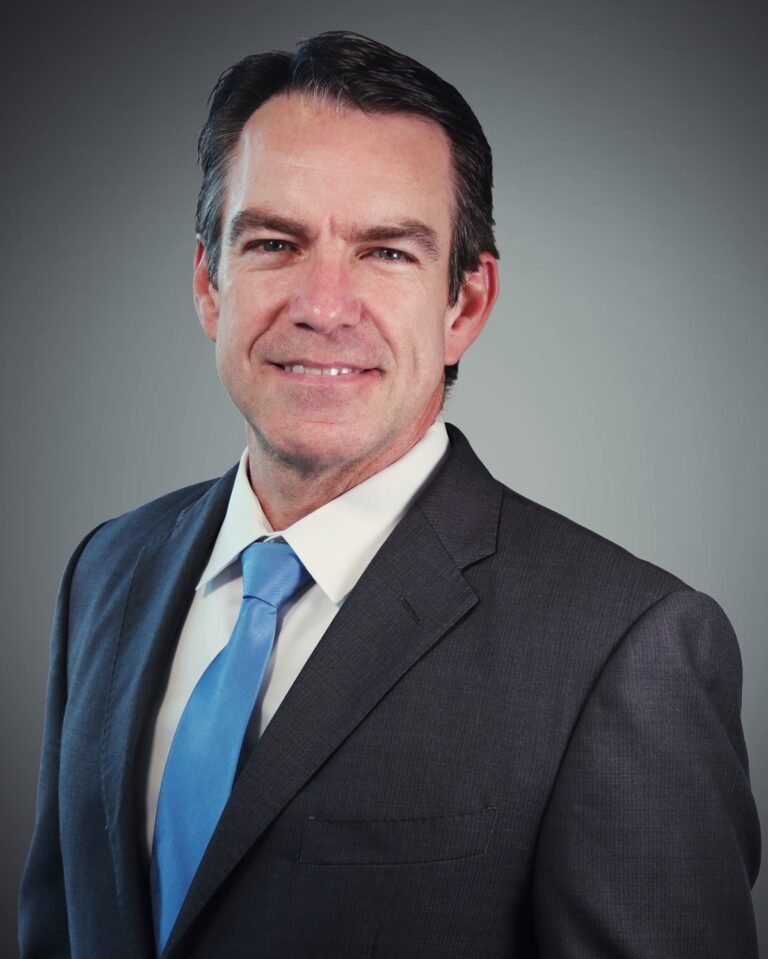
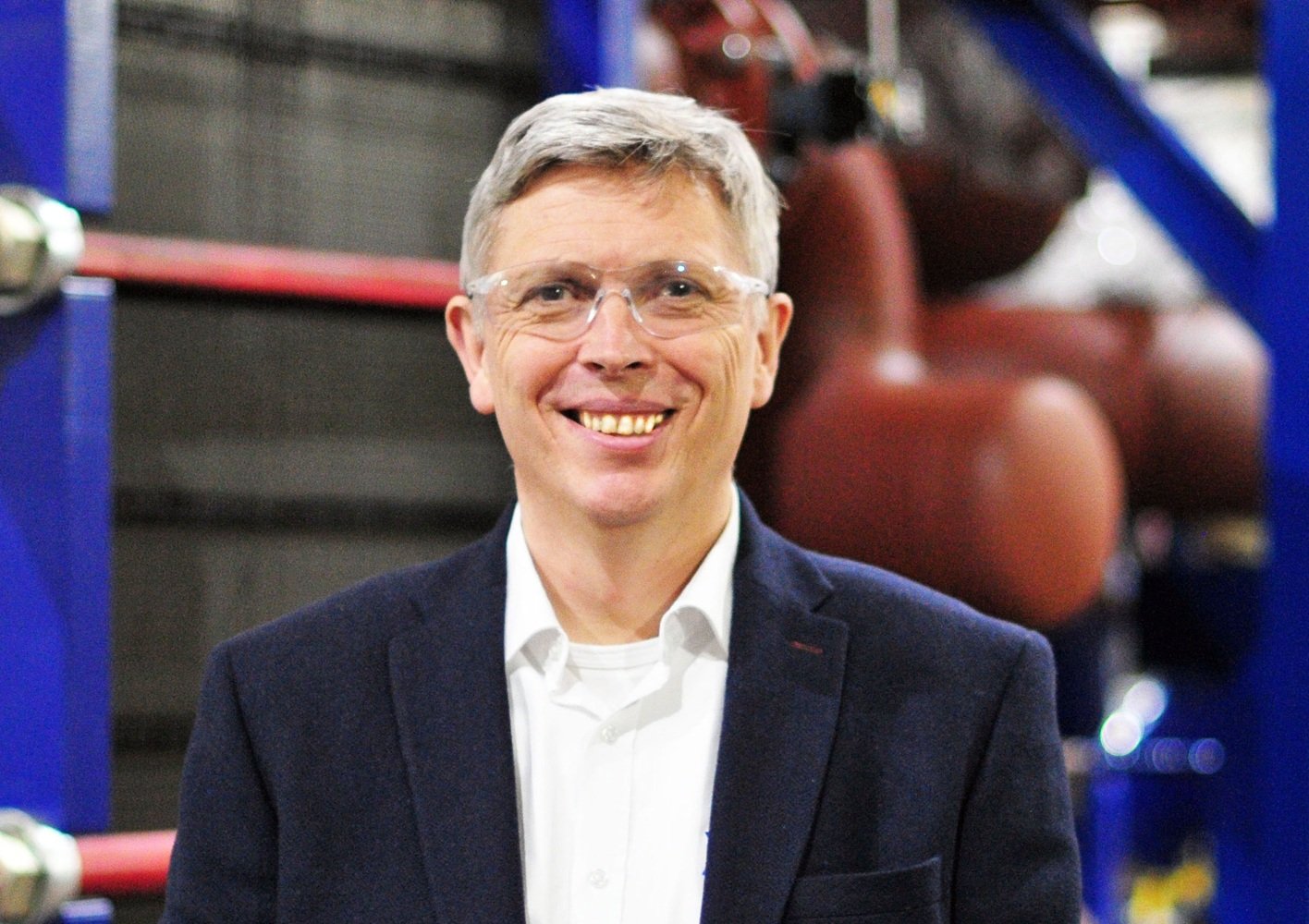
The 3rd Industrial Refrigeration Network Conference 2026 will feature a technical session by Dr Robert Lamb, Group Sales & Marketing Director at Star Refrigeration, on natural refrigerant selection for industrial cooling systems. The conference will take place on 10–11 June 2026 at the SCHAUFLER Academy in Rottenburg-Ergenzingen, Germany.

Dr Lamb will present “Beyond the Hype: Safe, Sustainable Cooling Systems that Stand the Test of Time,” revisiting the debate around ammonia and CO2 in industrial refrigeration. The session will build on his presentation at Cold Chain Live 2025 and introduce updated modelling and operational data for cold storage and freezing applications.

The presentation will compare ammonia and CO2 systems with a focus on lifecycle cost, energy performance and system resilience. According to the source material, ammonia offers high efficiency and long system life in large-scale applications, while CO2 provides compact, non-flammable solutions that can be financially attractive at smaller capacities and low-temperature duties.

The analysis includes a 35,000 m³ cold store model operating at -22°C and a 35°C design ambient. It indicates annual energy consumption of approximately 910,000 kWh for a low-charge ammonia system compared with around 1.25 million kWh for a transcritical CO2 system under identical conditions. At an electricity price of 25p per kWh, the annual operating cost difference is approximately £86,000 [approx. USD 109,000].

The session will also examine how packaged low-charge ammonia systems address concerns around complexity and safety by reducing refrigerant charge and simplifying installation. The Industrial Refrigeration Network Conference is hosted by BITZER at its SCHAUFLER Academy in Germany and brings together manufacturers, contractors and end users from across the sector.

“The discussion should not be framed as ammonia versus CO2. Both technologies have a place. The question is how decision makers balance capital cost, operating efficiency, compliance and long-term resilience in their specific application,” Dr Lamb said.
Get the daily refrigeration briefing

One email a day. Trusted by 3,000+ RACHP professionals.

Related news

All CO₂ news →
Ammonia

Danfoss launches ICFL 20 valve for industrial refrigeration

Optimized for ammonia and CO2, the motorized valve supports stable temperatures during transient and part-load operation.

11 Aug 2026
Karyer · Partner

KARYER Supports CO2 Transcritical Refrigeration Training in India

The operational model lets engineers observe system behavior in real time while studying CO2 cycles, safety, regulations and HFC comparisons.

CO₂
Ammonia

IR Pros enters Canada through Prairie HVAC/R partnership

The companies plan to triple manufacturing capacity, add 20–30 Canadian employees and collaborate on cross-border projects.

27 Aug 2026
CO₂

LFB Group invests in Portugal’s KoolSys

The deal adds transcritical CO2 rack expertise and supports LFB Group's plans for an integrated European HVAC and refrigeration platform.

31 Jul 2026
Commercial Refrigeration

MarketsandMarkets forecasts refrigeration coolers market at $6.85 billion

The global refrigeration coolers market is projected to grow from USD 4.72 billion in 2026 to USD 6.85 billion by 2032, according to MarketsandMarkets. The research firm forecasts a compound annual growth rate of 6.4% during the period. Market growth is linked to investment in energy-efficient refrigeration infrastructure across retail, food and beverage processing, logistics

21 Jul 2026
CO₂

Emergent Cold LatAm adds blast-freezing tunnels in Chile

The CO2-based facilities will process more than 10,500 tons of animal proteins annually near Chile's main port.

10 Jul 2026

Most read this month

All news →

Related insights

All CO₂ insights →
Everything on CO₂: 261 articles, 8 case studies, 50 insights